







Book Tickets Online
About
For more than 185 years, Bristol Zoological Society has been at the cutting edge of what it means to run a conservation-focused zoo.
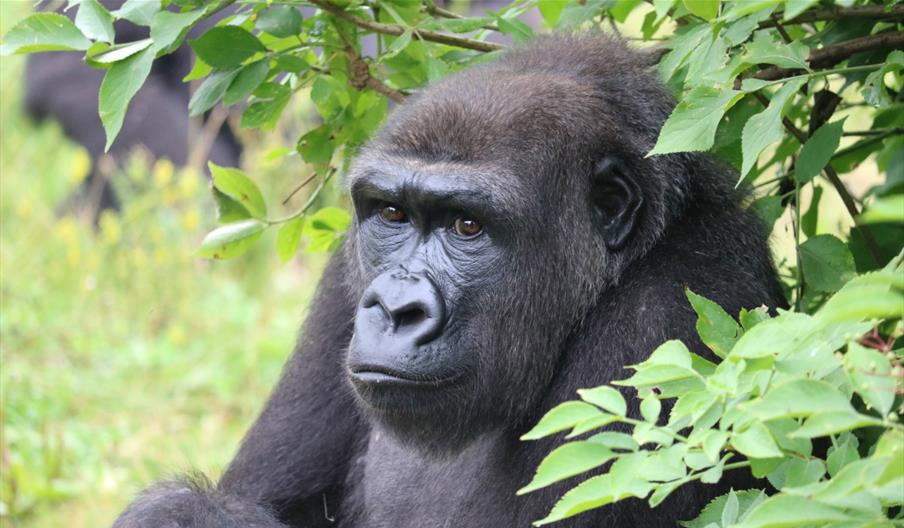
Bristol Zoo Project, the Society’s modern zoo, is an ever-developing example of what a conservation zoo should look like. Visitors and animals alike are immersed in the natural landscape. Some of the world’s rarest species, including the zoo’s Critically Endangered western lowland gorillas, live in large, natural habitats, reflecting Bristol Zoo Project’s outstanding commitment to animal welfare.
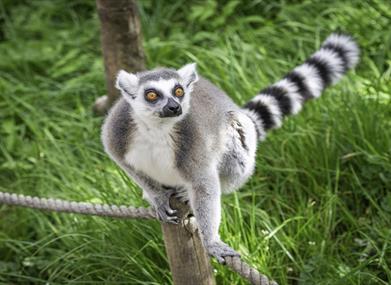
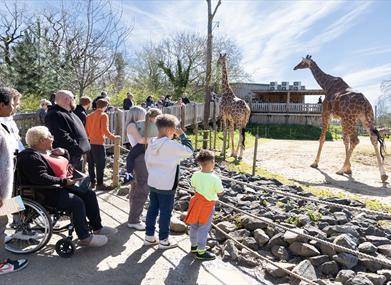
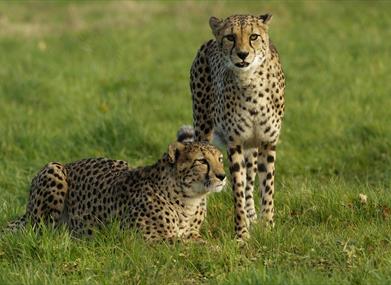
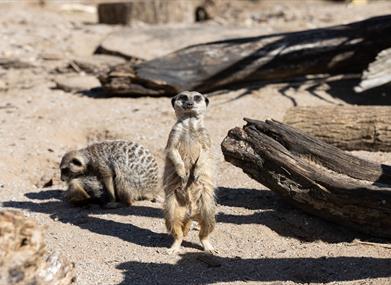
Giraffes, zebras, cheetahs, red pandas and meerkats are among visitors' favourite animals. Lesser-known, but equally fascinating species include Critically Endangered blue-eyed black lemurs, Philippine spotted deer and turquoise dwarf gecko. These are just some of the species Bristol Zoological Society is protecting through its conservation projects around the world. Daily talks from animal experts offer fascinating insights into animal behaviours both at the zoo and in the wild.
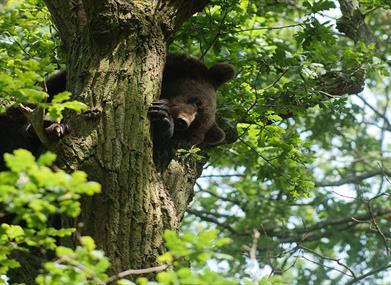
A highlight of Bristol Zoo Project is undoubtedly award-winning Bear Wood. Set in an ancient British woodland, Bear Wood is home to bears, wolves, wolverines and lynx. This outstanding habitat tells a powerful story of how Britain’s native predators have been lost over time.
Visitors explore Bear Wood via a winding treetop walkway that snakes between the ancient oaks. From this vantage point, it’s easy to admire the beauty of the British woodland, spotting native birds among the trees, including the secretive European jay, or buzzards circling overhead.
Bears and wolves share an area of the habitat, living alongside each other as they would have in times past. Visitors are fascinated and amused by the interactions between these apex predators.
Every visit contributes to conservation work around the world to protect species and habitats in the wild.
Key selling points for Groups
A group check-in with a member of the team can be arranged for groups, to help guests get the most from their visit and enter quickly.
With on-site catering, free coach parking and easy access from J17 of the M5, Bristol Zoo Project is an essential stop on any tour visiting or passing through the Southwest. Just a 30-minute drive from central Bristol, a visit can easily be combined with other must-see Bristol attractions, including the iconic Clifton Suspension Bridge.
A coach drop-off space is available.
Useful information for the travel trade
- Bristol Zoo Project offers free parking on site, but this must be pre-booked.
- Discounted group prices are available.
- Minimum group size 10 visitors.
- With the new African Forest habitat, they suggest around a half-day visit, or 4 hours as average dwell time. It is a large site though, so it is possible to spend a whole day exploring.
Exclusive offering
Private talks and tours are available on request for large and small groups. Exclusive talks focus on either Bear Wood, an ancient British woodland home to bears, wolves, wolverines and lynx, or brand-new African Forest, home to gorillas, mangabeys, crocodiles and parrots.
Please note, these must be booked in advance.
Accessibility
There are 6 Blue Badge parking bays within the car park and step-free access to main entrance, although there is a steep slope. Two manual wheelchairs available to hire, please call to book in advance. Motorised scooters are allowed.
The venue is on a site rich in natural beauty, so while paths are mostly tarmac, please be aware that some paths can be loose and uneven.
There are several viewing houses and information points throughout the park- there are no doors at these viewing houses.
Accessible toilet facilities are available. Documents can be requested in large print and we have a sensory map available which may benefit guests who are neurodivergent. Assistance dogs are welcome on site, and an assistance toilet area can be provided, as well as a bowl of water. A member of staff trained in BSL skills is not normally on duty.
For full accessibility information click here.
Sustainability
Bristol Zoological Society (BZS) works in the context of an ecological and climate crisis. Conservation zoos play a central role in preventing the extinction of threatened species, addressing the challenges of climate change and habitat loss.
The Society’s focus is to lead by example, across their UK and international activities, demonstrating what a progressive, sustainable conservation and education zoological charity can be – as part of this, BZS has a comprehensive set of sustainability ambitions and targets.
Society sustainability initiatives include: a 100% renewable electricity tariff, heating offices and aviaries with biomass, rainwater harvesting, water-bottle refill stations, a focus on deforestation-free commodities, an on-site Dott e-bike parking bay, eradicating single-use plastic from catering operations, plant-based menu options, and celebrating local suppliers. BZS are also working towards a biodiversity net gain of 22% for habitats and 36% for hedgerows – you can see evidence of this work across the Bristol Zoo Project site, including several well-used bird and bat boxes.
Please read the BZS sustainability strategy to learn more.
Facilities
Catering
- Cater for vegans
- Cater for vegetarians
- Outdoor Seating
Establishment Features
- Cancellation policy
- On-site car parking
- Public liability policy
- Safeguarding policy
Parking & Transport
- Accept coach parties
- Close to Major Travel Routes
- Coach drop-off point
- Coach Parking
- Free Car Parking
- On-Site Coach Parking
- Parking On Site
Sustainability
- Organisation and Employees - Sustainability Policy
- Products & Suppliers - Locally-sourced produce
- Waste - Food Waste Policy
Travel & Trade
- Accept Groups between 16-35 people
- Accept Groups between 35-50 people
- Accept Groups between 50-100 people
- Accept Groups of 100+ people
- Booking confirmations sent by email
- Fixed peak season and off-peak season pricing
- Group discounts available
- Groups Welcome
- Time advised on site - 4+ hours
- Timed entry